

Lake Oconee Shoreline Rules and Georgia Power Regulations FAQ
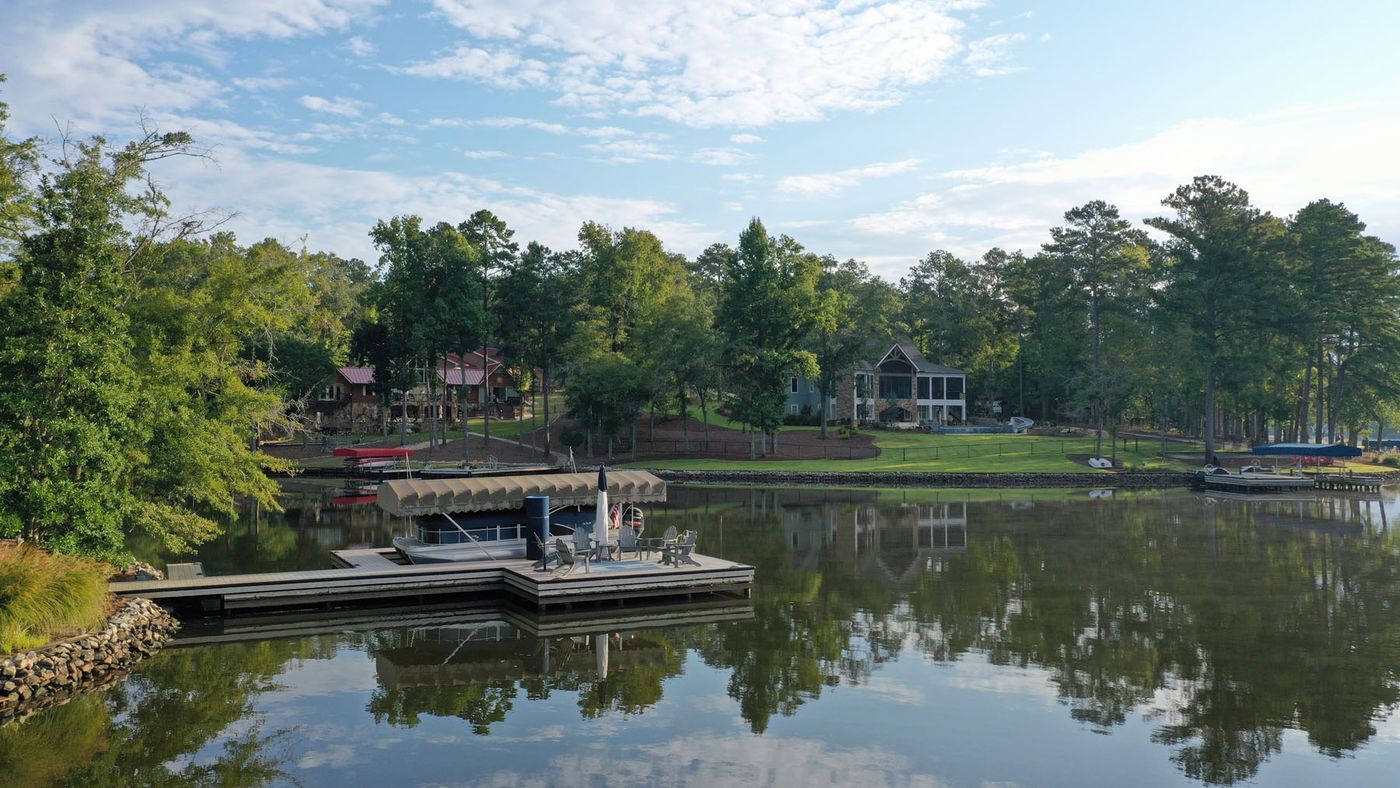
Navigating the shoreline rules at Lake Oconee is the single most important thing to understand before buying waterfront here. Georgia Power keeps strict environmental and structural control over the water’s edge, so how your deeded boundary meets the shoreline decides what you can build, what you can clear, and what you will be allowed to do with your dock. The rules are the same lake-wide, but how much they affect daily life varies by which of the Lake Oconee neighborhoods you end up in.
Frequently Asked Questions About Lake Oconee Shoreline Rules
Do property owners own the land all the way to the water at Lake Oconee?
No. Georgia Power owns the shoreline around the entire lake up to the Project Boundary line, which locals call the yellow line. To reach the water, clear vegetation or build a dock, the adjacent homeowner has to hold an active 15-year residential shoreline lease or user agreement.
- The yellow line. A real boundary, marked with yellow markers around the lake. Georgia Power holds this buffer to protect water quality, limit erosion and control overdevelopment.
- The deeded property line. On a typical fee-simple lakefront lot your deed stops at that yellow line. Your yard ends before the water begins.
- Access and lease rights. Crossing the buffer and installing a dock means paying an annual access fee, typically around $100, with tiered pricing for some structures and fully leased lots.
Because Georgia Power regulates that strip, you need written permits before removing trees, clearing brush or altering a seawall past the yellow markers. Violations can bring heavy fines or an order to remove the dock. When I show waterfront homes I check where the yellow line actually falls and what condition the lease is in, because both can turn into a problem at closing.
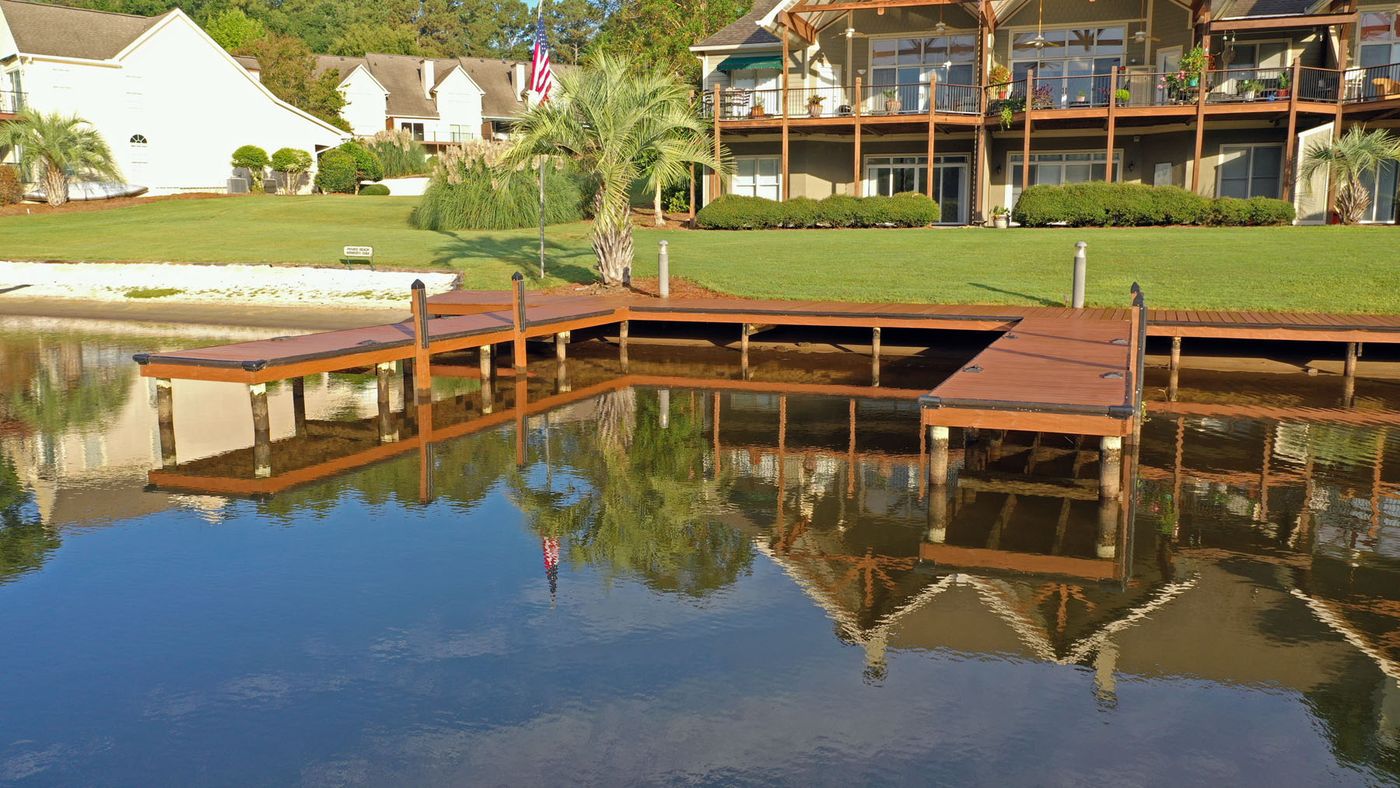
How long is the Georgia Power lease good for at Lake Oconee?
Every standard Georgia Power residential lease runs 15 years. There are no 99-year or 100-year leases here, whatever you may have been told. Homeowners can renew continuously at the end of each cycle as long as the property stays compliant with shoreline management rules.
- Renewals. If your dock, seawall and buffer meet Georgia Power’s current rules, your right to renew at the end of the 15 years is protected.
- Transfers at closing. When a lakefront home sells, the lease transfers through the Georgia Power Lake Resources office. That takes about three to four weeks and carries a transfer fee.
- The $250 early renewal. A seller can request an early renewal for $250, which resets the clock and hands the buyer a fresh full 15-year term on closing day.
If you are under contract on a lakefront home, get the lease transfer paperwork moving immediately. Georgia Power requires a pre-transfer compliance inspection that takes three to four weeks, and it is one of the few parts of a lake closing that cannot be hurried along at the end.
Can you build a boathouse on Lake Oconee?
No. Georgia Power Shoreline Management prohibits new enclosed or covered boathouses on Lake Oconee. They are still permitted on neighboring Lake Sinclair, which is why people moving between the two lakes are often surprised.
- What you can build. New shoreline construction is limited to open-air docks, max docks or straight docks, and seawalls. No roof, no walls, no permanent second-story deck over the slip.
- The grandfathered ones. The enclosed boathouses you see from the water are legally grandfathered. They belonged to the original families whose farm and timber tracts were flooded when Wallace Dam was completed and the lake was formed.
Those original landowners subdivided and sold their acreage over the following decades, which is how a good many of the ungated neighborhoods around the lake came to exist in the first place. If you buy a property with one of those rare grandfathered boathouses you can maintain and repair it, but Georgia Power will not let you expand the original footprint.
What shoreline modifications require a Georgia Power construction permit?
Any work inside the Project Boundary line needs a written construction permit first. You cannot do structural, landscaping or excavation work at the water’s edge without an approved permit card in hand.
- Waterfront structures. Installing, expanding or doing major maintenance on docks, water shelters and personal watercraft lifts.
- Erosion control and seawalls. Installing or repairing wood or concrete seawalls, including adding rip-rap stone to combat wake boat erosion.
- Vegetation and landscaping. Tree removal, underbrush clearing or heavy hardscaping inside the buffer zone.
- Excavation and shoreline changes. Dredging to deepen a slip, or adding beach sand at the water’s edge.
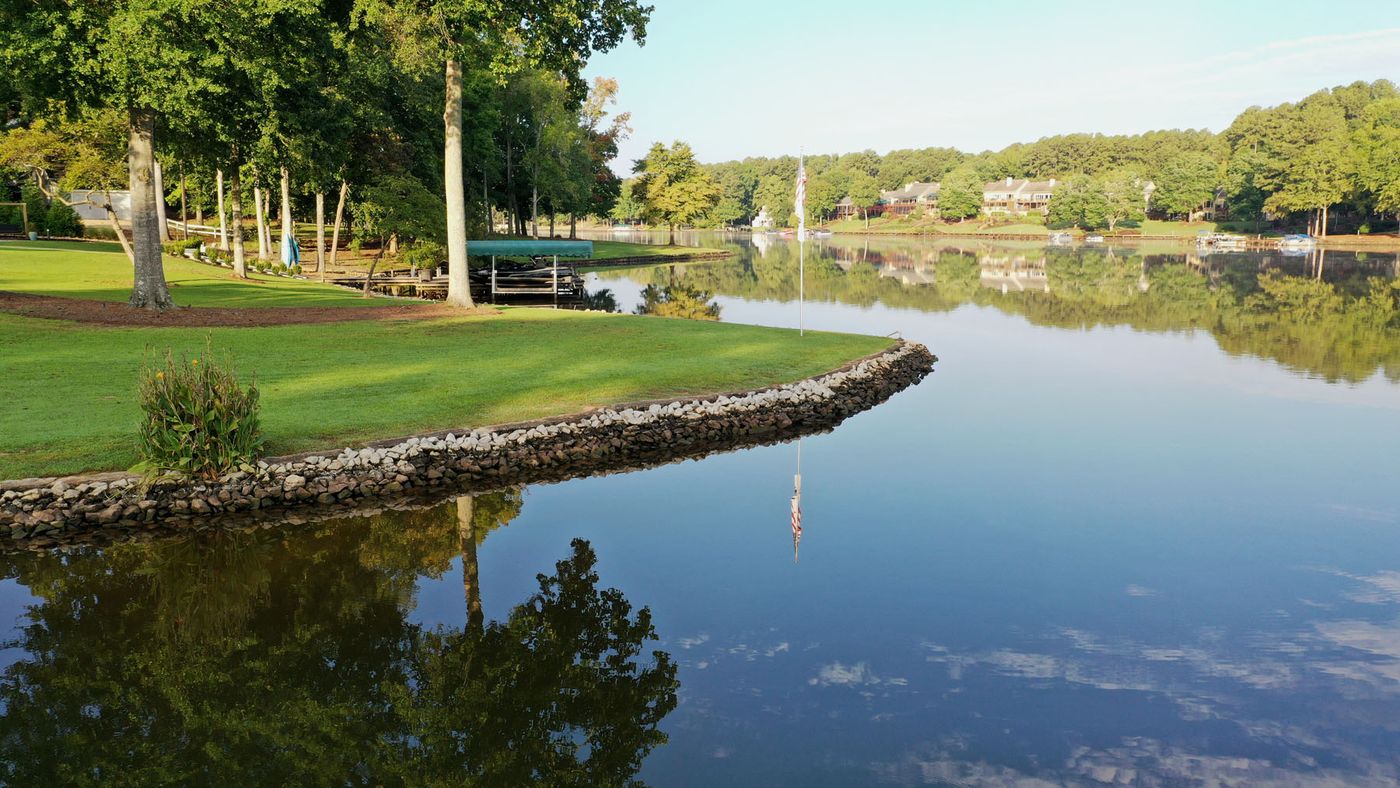
Permit applications go through the Georgia Power Lake Resources portal, or you can contact the Oconee/Sinclair Land Management Office directly.
These rules feel restrictive at first and then you realize they are the reason the shoreline here looks the way it does, clean and uncluttered next to lakes that were allowed to overdevelop. The Land Management Office is straightforward to work with. I am mostly on the Greene County side, where Jason Dobson has been an asset to the community, as was Susan before him.
What should I do about the Georgia Power lease before I list my Lake Oconee home?
Call the Lake Resources office before the sign goes in the yard. If you haven’t, I will make the call as your listing agent.
Georgia Power sends their shoreline management representative out to do a pre-transfer inspection and tell you what compliance issues exist, if any. Doing that early matters for two reasons. It tells you whether anything on your shoreline is a problem while there is still time to fix it, rather than finding out three weeks before closing. And Georgia Power says plainly that what the inspection turns up may belong in your seller’s disclosure, which makes it a legal question rather than a housekeeping one.
The three things that actually turn up:
- The dock itself — size, shape or placement that would not be permitted today. Most of these are on older homes that have not changed hands in decades, where the dock went in before the current rules existed and nobody has looked at it since.
- Hardscaping inside the boundary. Fire pits, patios, retaining walls and the like, added over the years inside the yellow line.
- Trees. Removal without a permit, or removal that was permitted but where the required replacement planting never happened.
Georgia Power has photographic records of every property on this lake. They know what your shoreline looked like before. Alterations do not go unnoticed, and finding out on the buyer’s inspection is a far worse way to learn that than finding out on yours.
Georgia Power has recently added a formal Realtor Form to this process. It is new enough that it has not come up in board meetings or anywhere else in the local industry yet. But the substance of it is what I have been doing on lakefront listings for years — calling Jason, asking for the inspection, asking the questions that turn up the problems before a buyer’s agent does. What was a habit is becoming a required step, and that is the right direction. Protecting people on both sides of the transaction is the entire point.
What happens with the Georgia Power lease when I buy a lakefront home at Lake Oconee?
The lease transfers to you, and it has to happen in step with your closing rather than after it.
Georgia Power asks for three to four weeks. So the call goes out the day we are binding.
What can stretch it:
- A new as-built survey. If the existing survey is outdated or incomplete, Georgia Power may require a new one before transferring. That is cost and calendar nobody budgeted for but, so far, it is rarely asked for.
- Buying in an LLC or a trust. Transferring a lease into an entity carries a $500 fee. Try to decide how you are taking title early so you do not have to come back and amend it later.
- Original signatures. No scans, no electronic signatures. Documents are signed in original, notarized and witnessed, then recorded at the county courthouse.
Georgia Power will not issue you a permit, or even validate the shoreline structures already sitting there, until that agreement is signed. If you are planning to add a lift or complete work on your new dock, none of it can begin until the lease is in your name.
On the buying side I ask about the lease before we write an offer, not after. Between that and the new Realtor Form, both sides of a lake transaction are finally being asked to do what careful agents were already doing.
Buying or Selling on the Water at Lake Oconee?
The shoreline is the part of a lake transaction most likely to cause a problem late, and the part most agents never look at until it does. I check the lease status, the permit history and the compliance picture before we write or before we list, not after.
Browse the Lake Oconee neighborhood guides covering over 100 communities, read the buyer’s guide or the seller’s guide, or get in touch. I am Margie Sorrell, and I have been handling waterfront here since 2010.